
Straw Garden Mulch: The Ultimate Guide
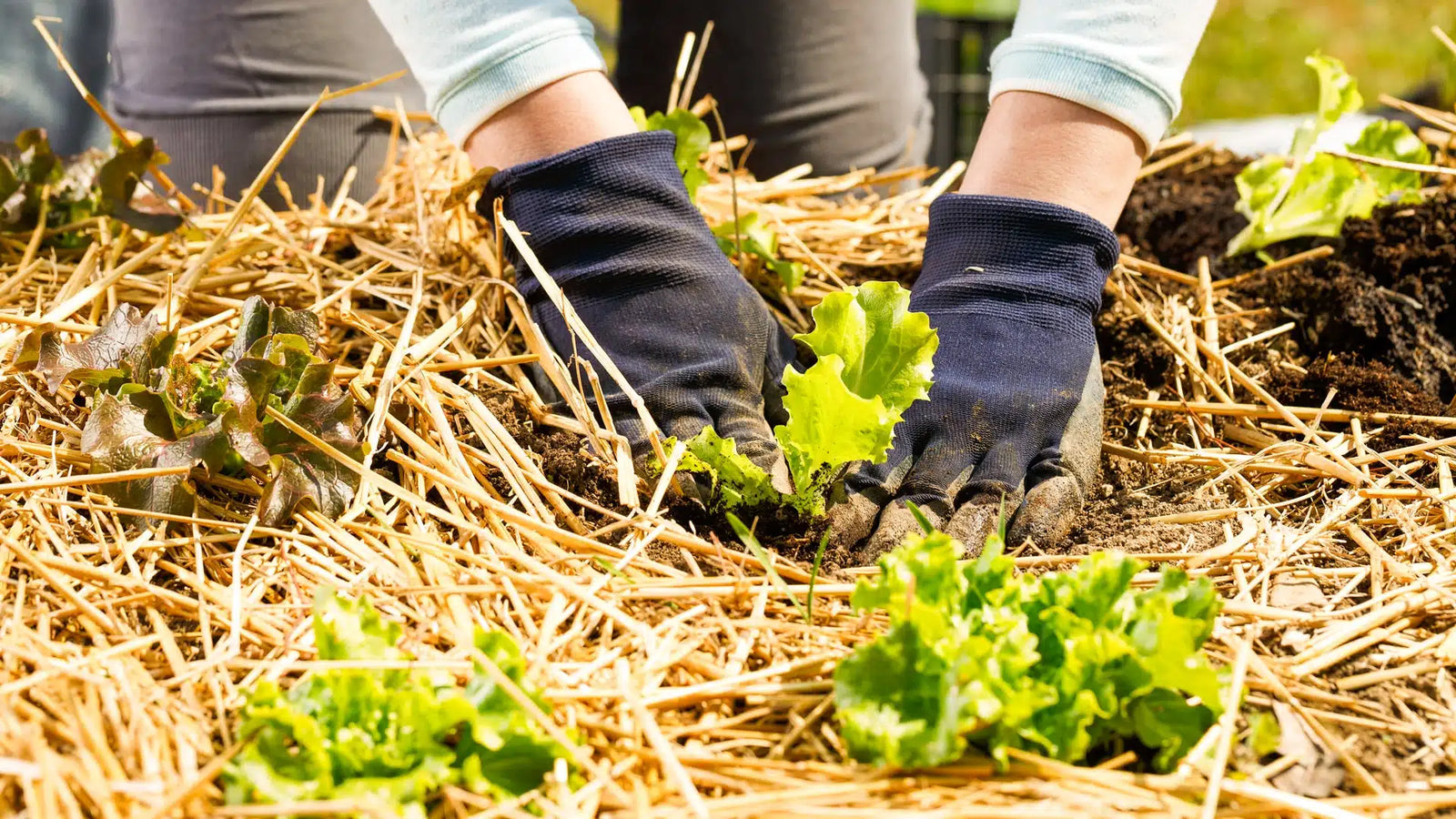
Straw Garden Mulch: Benefits, Uses, Costs, and When to Apply It
Straw garden mulch has become increasingly popular among hobby gardeners, organic growers, and small-scale farmers. It is affordable, easy to work with, and highly effective across multiple seasons.
This guide explains what straw garden mulch is, how it compares to other mulch types, when to apply it, and how to use it effectively in your garden.
What Is Straw Garden Mulch?
Straw garden mulch is made from the dry stalks of cereal grain crops such as wheat, oats, or barley. Unlike hay, straw is primarily composed of hollow stems rather than leafy plant material.
Straw can be applied in fall, winter, spring, or summer, depending on your climate and planting goals.
Is Straw a Good Garden Mulch?
Yes. Straw is a highly effective mulch option because it is:
-
Lightweight
-
Easy to spread
-
Naturally insulating
-
Moisture-retentive
-
Biodegradable
Key Benefits of Straw Garden Mulch
-
Retains soil moisture and reduces evaporation
-
Helps regulate soil temperature
-
Reduces weed growth by blocking sunlight
-
Protects soil from erosion caused by rain and wind
-
Adds organic matter as it decomposes
-
Encourages worm activity and soil life
Straw vs Traditional Wood Mulch
When people ask “Is mulch or straw better?” they are usually comparing straw to wood chips or bark mulch.
The best choice depends on your goals.
| Type | Best For | Pros | Cons |
|---|---|---|---|
| Wood Mulch | Permanent landscaping | Long-lasting, strong weed barrier | More expensive initially |
| Pine Straw | Decorative beds | Lightweight, easy to spread | Acidic, shifts easily |
| Garden Straw | Vegetable beds, seasonal use | Affordable, compostable, excellent insulation | May contain seeds |
For vegetable gardens, straw is often preferred because it breaks down more quickly and improves soil over time.
What Kind of Straw Is Best for Mulching?
Organic garden straw is generally the best choice, especially for food-producing gardens.
Look for straw that is:
-
Free of chemicals
-
Free of herbicide residue
-
Free of artificial treatments
Other Straw Types
Certified Weed-Free Straw
Steam-treated to remove seeds. More expensive.
Rice Straw
Typically cleaner with fewer seeds. Neutral pH.
Pine Straw
Pine needles. Lightweight but more acidic.
Each option has trade-offs depending on climate and soil conditions.
Does Straw Mulch Attract Pests?
Straw may provide temporary shelter for small critters, but it can also reduce insect pressure by improving soil balance and airflow.
Proper application and maintenance reduce pest issues.
How to Apply Straw Garden Mulch
Applying straw is simple:
-
Loosen compacted straw before spreading
-
Shake out excess chaff and loose seeds
-
Apply a 3–4 inch layer around plants or over garden beds
For new grass seed, straw protects against wind, rain, and bird disturbance.
How Long Does Straw Mulch Last?
Straw decomposes faster than wood mulch.
-
Actively managed gardens: Several months
-
Minimal maintenance: Up to 1–2 years
The golden color fades quickly, but decomposition enriches the soil.
How Much Does Straw Mulch Cost?
Costs vary depending on supplier and size.
Example coverage estimates:
| Weight | Approximate Coverage |
|---|---|
| 5 lbs | ~75 sq ft |
| 10 lbs | ~150 sq ft |
| 25 lbs | ~375 sq ft |
Buying in bulk or setting up recurring delivery reduces long-term costs.
When Should You Mulch with Straw?
Straw can be applied in any season.
Fall Mulching
Best after the first hard freeze.
Benefits:
-
Suppresses weeds for spring
-
Protects evergreens
-
Keeps soil biologically active longer
Winter Mulching
Apply after the first hard frost.
Benefits:
-
Prevents freeze-thaw “heaving”
-
Keeps plants dormant
-
Protects roots from extreme fluctuations
Spring Mulching
Apply mid-to-late spring once soil has warmed.
Benefits:
-
Reduces weeds
-
Improves garden appearance
-
Adds nutrients as it decomposes
Avoid mulching too early when soil is still cold.
Summer Mulching
Once soil is warm, straw:
-
Reduces evaporation
-
Keeps soil cooler
-
Reduces watering frequency
-
Prevents erosion
Can Straw Protect Plants in Winter?
Yes.
Straw acts as an insulating winter mulch that:
-
Stabilizes soil temperature
-
Prevents rapid freezing and thawing
-
Reduces compaction
-
Shields roots from wind and cold rain
It provides protection without smothering plants.
About Blue Mountain Hay
We grow fresh, organic straw in the Pacific Northwest on certified organic fields.
Our straw is:
-
Free of chemicals
-
Free of artificial colors
-
Free of preservatives
-
Free of additives
We offer straw for gardens, hobby farms, and seasonal protection, with optional recurring deliveries.
Conclusion
Straw garden mulch is an affordable, biodegradable, and highly effective option for vegetable gardens and seasonal landscaping. It retains moisture, suppresses weeds, stabilizes temperature, and enriches soil as it decomposes. With proper timing and application, straw can be used successfully in any season. If you are looking for a practical, organic mulch solution, straw remains one of the most versatile choices available.
Reviewed by Dr. Julianne Vickstrom, DVM, veterinarian at
Grey Bird Consulting
Content produced in collaboration with
Petzbe Agency


